
Can I Still Recover Money If I Wasn’t Wearing a Helmet?
January 2, 2026 | Article by Chain | Cohn | Clark staff Social Share
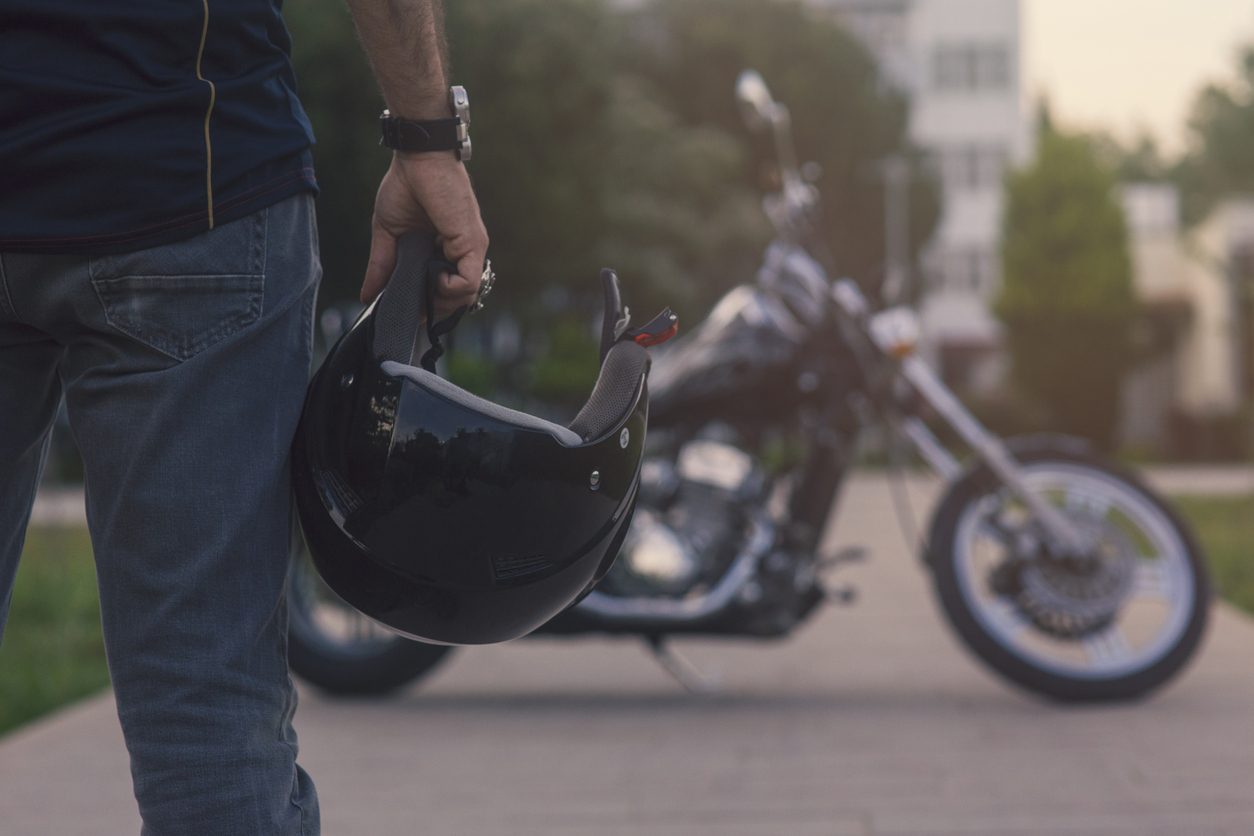
Short answer: yes. In many cases, you can. Not wearing a helmet does not automatically doom your No-Helmet Claim in California. If you’re asking this question, you’re probably worried you’ve already lost your chance to recover anything. That fear is common, and it’s exactly what insurance companies hope you’ll believe. The truth is more straightforward—and much less bleak—than you’ve been led to think.
You Are Not “Screwed” Just Because You Weren’t Wearing a Helmet
California law does require motorcyclists to wear helmets. But violating that rule does not mean the other driver gets a free pass for causing the crash.
If a driver:
- Pulled out in front of you
- Made an unsafe left turn
- Changed lanes without checking
- Ran a red light or stop sign
- Was distracted, speeding, or impaired
They can still be legally responsible for the accident—even if you weren’t wearing a helmet.
The key question in your case is not just whether you wore a helmet. It’s who caused the crash and what injuries resulted from that cause. Our Kern County motorcycle crash attorneys perform a thorough investigation to determine liability and maximize your compensation.
How Helmet Use Actually Affects a Motorcycle Claim
Here’s where things get misunderstood: Not wearing a helmet does not erase your claim. What it can do is affect how damages are calculated, but only in certain situations. Insurance companies will argue something like: “If the rider had been wearing a helmet, their injuries would have been less severe.” That argument may matter only for head or brain injuries—not for everything else. For example, a helmet has nothing to do with:
- A broken leg
- Crushed ribs
- Spinal injuries
- Road rash
- Shoulder damage
- Internal organ injuries
So even if helmet use becomes an issue, it does not apply across the board. It’s injury-specific, not case-ending.
A Simple Guide to Comparative Fault in California
California uses a system called comparative fault. Here’s what that means in real life. Instead of asking, “Who is 100% at fault?” the law asks, “How much responsibility does each person have?” Think of fault like a pie.
- If the other driver caused the crash, they own most (or all) of that pie.
- If something you did contributed to the outcome, you might get a smaller slice of blame.
- Even if you’re found partially at fault, you can still recover money—but your compensation will be reduced by your percentage of fault.
Example: An agricultural truck caused your motorcycle crash in Shafter. If your case is worth $100,000 and you’re determined to be 20% at fault, you can still recover $80,000.
That’s a far cry from “nothing.”
What Insurance Companies Try to Do With the Helmet Issue
This is where things get tricky—and unfair. Insurance companies love helmet cases because they think they give them leverage. They will try to:
- Shift blame away from the driver who caused the crash
- Exaggerate how much the helmet mattered
- Apply the helmet argument to injuries it clearly didn’t affect
- Pressure you into settling for far less than your case is worth
- Convince you not to call a lawyer at all
They may say things like: “You weren’t wearing a helmet, so this is really your fault.” That’s simply not how California law works.
A good motorcycle accident attorney knows how to:
- Separate crash fault from injury severity
- Use medical evidence to limit helmet-related arguments
- Challenge exaggerated claims about injury causation
- Protect the value of non-head-injury damages
- Push back hard against unfair blame-shifting
When Not Wearing a Helmet Matters More
There are situations where helmet use becomes more central—especially in cases involving traumatic brain injury or facial fractures.
Even then, however, the analysis isn’t automatic. The insurer still has to prove:
- That a helmet would have prevented or significantly reduced the injury
- That the injury was not primarily caused by the crash itself
- That their percentage-of-fault argument is medically sound
Those are not easy things to prove—and they’re often overstated.
What Actually Determines the Strength of Your Case
Helmet or no helmet, these factors usually matter more:
- How the crash happened
- Whether the other driver violated traffic laws
- Witness statements
- Vehicle damage patterns
- Surveillance or dashcam footage
- Police reports
- Medical documentation
- Timing of treatment
In many cases, liability is clear long before helmet use ever enters the conversation.
Why You Should Talk to a Lawyer Before Assuming the Worst
The biggest mistake riders make is assuming they don’t have a case—and walking away before they ever get real answers. Once that happens, insurance companies win by default. A quick conversation with a motorcycle accident lawyer can tell you:
- Whether helmet use actually matters in your case
- How much fault might realistically be assigned
- What your claim could still be worth
- What the insurance company is likely to argue
- How to protect yourself going forward
You don’t need to commit to anything. You just need honest information.
We’ll Tell You Honestly Where You Stand—Free
If you were injured in a motorcycle accident and weren’t wearing a helmet, you deserve clear, straight answers—not scare tactics. No pressure. No obligation. No judgment. We’ll review the facts, explain your options in plain English, and tell you where you stand. Contact our top motorcycle accident lawyers at Chain | Cohn | Clark for a free case review today.

