
Most Dangerous Intersections in Bakersfield: What to Do If You Were Hit
January 2, 2026 | Article by Chain | Cohn | Clark staff Social Share
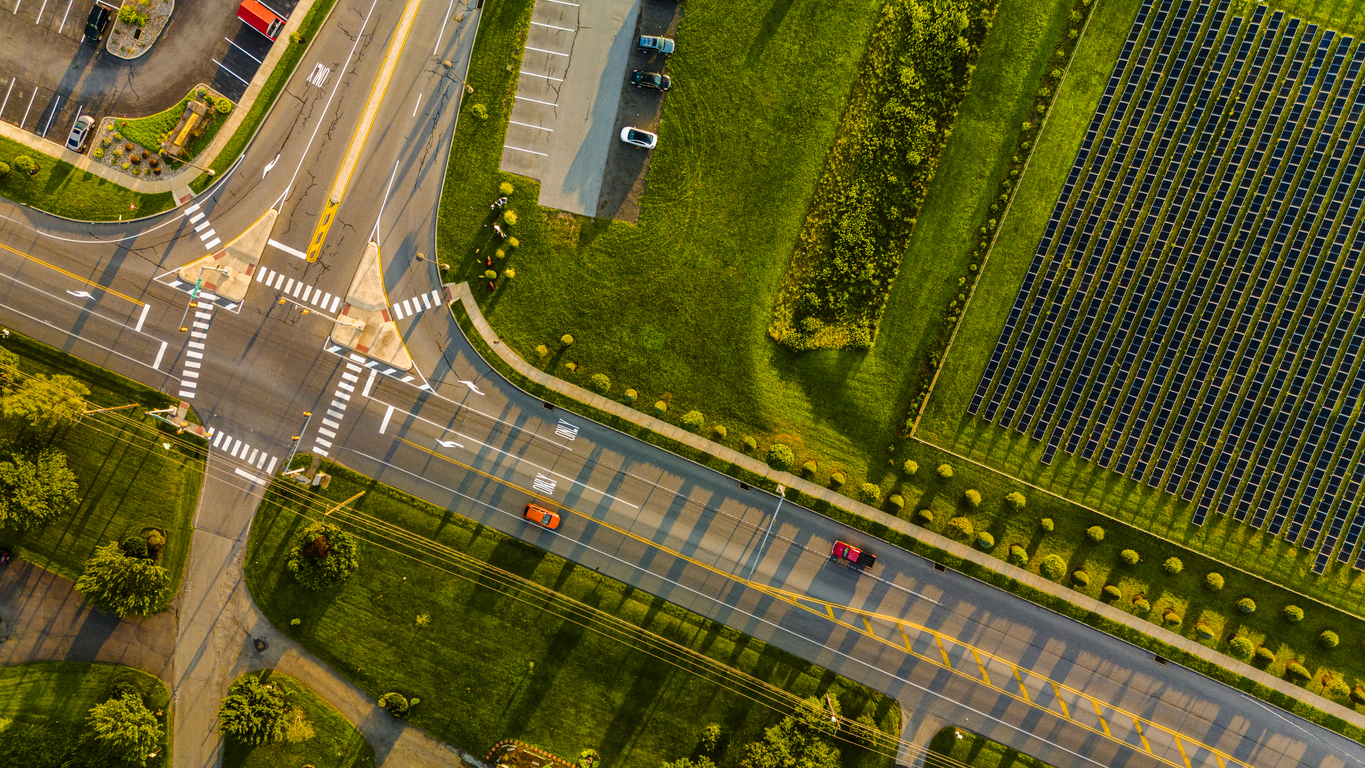
Being hurt at a “bad intersection” does not negate your legal rights. In fact, these locations tend to yield strong cases, because crash causes are predictable—and also often preventable. Let’s examine Bakersfield’s most dangerous intersections, why collisions happen there, and what to do if you were hit. Call our Car Accident Injury Lawyer Team for representation & compensation.
Why Bakersfield Has High-Risk Intersections
Bakersfield traffic mixes fast arterials, heavy commuting routes, trucks, and long signal cycles. When drivers ignore these risks, people get hurt. And when that happens, liability still applies—no matter how “common” the crash location is. In Kern County, crashes often come down to:
- Speeding to beat lights
- Left-turn visibility problems
- Red-light running
- Distracted or aggressive driving
- Confusing lane layouts near freeway ramps
Even though locals know these intersections are dangerous, drivers still have a duty to yield, to obey signals, and to watch for traffic. If someone violated that duty, you can bring a claim.
Top Dangerous Intersections in Bakersfield
1. Ming Avenue and New Stine Road
This intersection is one of Bakersfield’s busiest and most dangerous.
Why Crashes Happen Here
- Heavy east–west traffic on Ming Avenue
- Multiple left-turn lanes with limited visibility
- Drivers accelerating to catch long lights
- Distracted drivers entering shopping centers
Common Collisions
- Left-turn vs. through-traffic crashes
- T-bone accidents
- Rear-end collisions during sudden stops
2. Highway 99 and Route 58 Interchange
This interchange sees some of the most violent collisions in Bakersfield, injuring residents from Delano to Tehachapi. Despite what you may have heard, freeway crashes are not “no-fault.” If another driver merged unsafely, followed too closely, or made an improper lane change, you may have a strong claim—even in heavy traffic.
Why Crashes Happen Here
- Merging traffic at freeway speeds
- Sudden lane changes
- Confusing ramps and signage
- Truck traffic mixed with commuters
Common Collisions
- Rear-end crashes at high speed
- Side-swipe accidents during merges
- Multi-car chain reactions
3. Union Avenue and California Avenue
A high-risk corridor near downtown Bakersfield with constant cross-traffic.
Why Crashes Happen Here
- Heavy north–south traffic on Union
- Congestion and frequent lane changes
- Drivers rushing through short signal cycles
Common Collisions
- Broadside (T-bone) crashes
- Rear-end collisions in stop-and-go traffic
4. Gosford Road and Ming Avenue
This is a hotspot for serious injury crashes.
Why Crashes Happen Here
- High speeds coming off Gosford
- Wide lanes that encourage aggressive driving
- Poor judgment on left turns
- Red-light runners during peak hours
Common Collisions
- High-speed side-impact crashes
- Multiple-vehicle pileups
- Severe injuries due to speed
5. Rosamond Boulevard and B Street
A well-known danger zone just outside Bakersfield proper.
Why Crashes Happen Here:
- High-speed accidents on Rosamond Boulevard
- Sudden stops near cross streets
- Drivers failing to yield or misjudging gaps
Common Collisions
- Side-impact crashes
- Rear-end collisions at speed
6. Real Road and Wilson Road
This intersection is especially dangerous, because the traffic pattern looks uncomplicated. Crashes here are often severe, but fault can usually be established through vehicle damage, witness statements, and scene evidence—even if there’s no traffic camera.
Why Crashes Happen Here
- Rural-style roads encourage speeding
- Limited traffic control
- Drivers misjudge oncoming traffic
- Poor nighttime visibility
Common Collisions
- Broadside (T-bone) crashes
- Head-on or angled impacts
- Serious injuries due to higher speeds
7. State Route 43 and Garces Highway
A particularly dangerous Kern County intersection with a history of severe crashes.
Why Crashes Happen Here
- Highway speeds intersecting surface roads
- Confusing right-of-way decisions
- Limited reaction time
Common Collisions
- High-speed T-bone crashes
- Fatal and catastrophic injury accidents
What to Do Immediately After a Crash at a Known Hotspot?
If you were hit at one of these Bakersfield intersections, take these steps as soon as possible:
- Get medical care (even if pain feels minor at first)
- Call the police so there’s an official report
- Take photos of vehicles, lanes, lights, and injuries if you can
- Get witness contact info
- Call a Bakersfield car accident attorney before talking to the other driver’s insurer.
Why Insurance Companies Push Back on These Claims?
Insurers know these intersections are dangerous—and they use that against you.
They may argue:
“This was unavoidable traffic congestion.”
“Everyone knows this area is risky.”
“It was just an accident.”
What they don’t say is that accidents still have causes—and causes create liability.
If you were injured at a dangerous intersection, don’t let the insurance company frame the story first. Contact Chain | Cohn | Clark for a free case review before you talk to the insurance company.
FAQ About Dangerous Intersection Crashes
Do I need the police report?
It helps, but it’s not required to start your case. An attorney can obtain it and build evidence around it.
What if I don’t have photos?
That’s common. Surveillance footage, vehicle damage, medical records, and witness statements can still prove what happened.
What if the other driver says their light was green?
That’s extremely common, especially at busy Bakersfield intersections. Conflicting stories don’t end your case. Traffic signal timing, vehicle damage patterns, witness statements, and nearby camera footage are often used to determine who actually had the right of way.

