
Hit-and-Run Motorcycle Accidents: What If the Driver Took Off?
February 26, 2026 | Article by Chain | Cohn | Clark staff Social Share
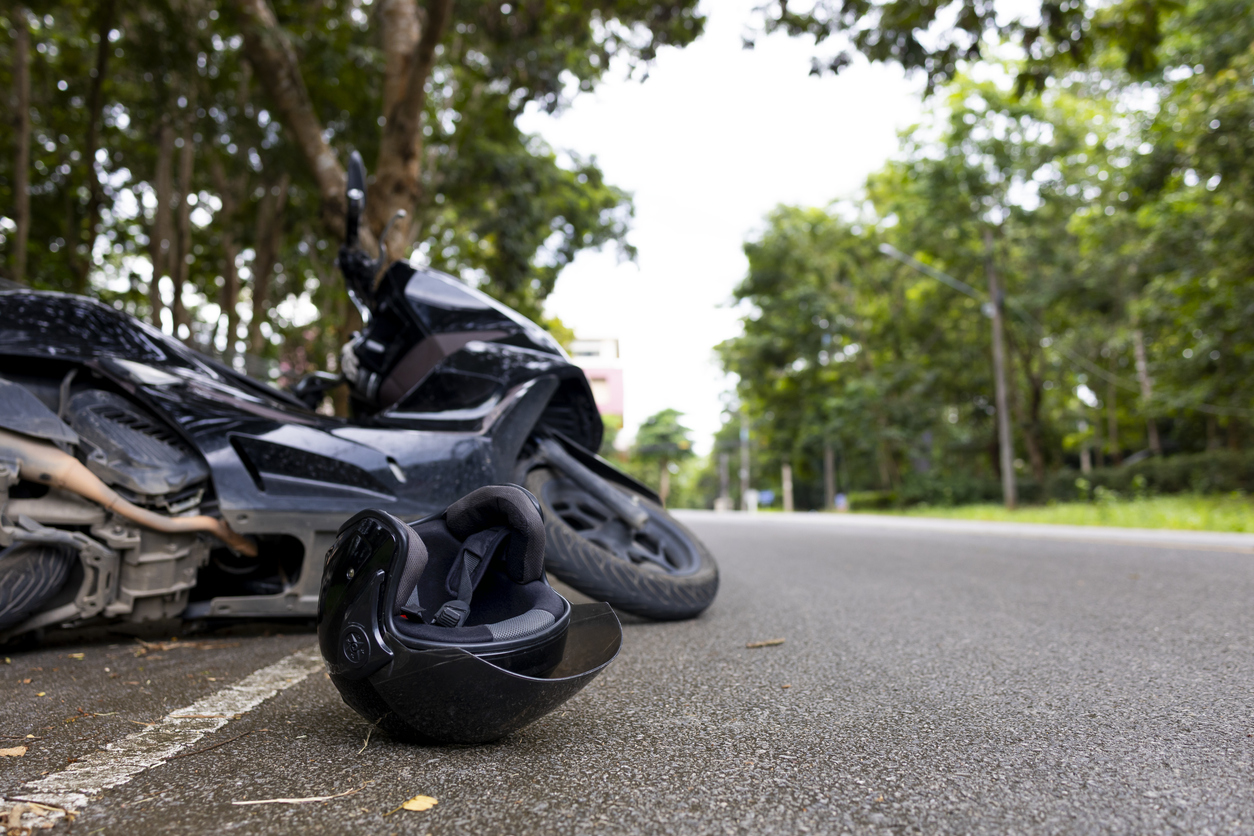
A hit-and-run can leave you feeling abandoned at the worst possible moment. Many riders experience frustration, anger, and anxiety about how medical bills will be paid. But California injury law recognizes that victims should not bear the financial burden simply because another driver chose to run. The law provides multiple paths to compensation, even when the at-fault driver hasn’t been identified yet. The most important thing right now is acting quickly and methodically. Evidence disappears quickly—but if you take the right steps, you can still protect your case.
What to Do Immediately After a Hit-and-Run Motorcycle Accident
In the chaos following a crash, it’s hard to know what steps matter most. Focus on these priorities:
Adrenaline often masks serious injuries. Head trauma, internal injuries, and soft-tissue damage may not be immediately evident. Prompt treatment also creates medical records connecting injuries to the crash.
Make sure officers document that the other driver fled. Ask how to obtain a copy of the report later.
If possible, gather:
- Photos of the scene: damage, skid marks, or debris
- Witness names and contact information
- Your riding gear and helmet (do not repair or discard)
Report the accident promptly, but avoid giving detailed, recorded statements until you understand your rights. Early statements can unintentionally create confusion about how the crash occurred.
Early legal involvement allows investigators to secure footage, locate witnesses, and preserve physical evidence before it’s lost.
You Still Have Rights After a Hit-and-Run
California law requires drivers to stop, exchange contact information, and call for aid after a crash. Leaving the scene is a crime. Unfortunately, injured motorcyclists are often the ones left dealing with medical bills, missed work, and uncertainty.
The good news is, you’re not stuck with the bills if you didn’t get the driver’s license plate—and you shouldn’t wait until you know the driver’s identity to pursue compensation. Many successful motorcycle injury claims move forward using insurance coverage specifically designed for situations where the responsible driver cannot be located.
Why Motorcycle Hit-and-Runs Happen
Motorcyclists are particularly vulnerable to hit-and-run crashes. Visibility disputes and driver panic often play a role.
Common scenarios include:
- A driver changes lanes without looking in their blind spots
- A driver turns left in front of an oncoming motorcycle
- Rear-end collisions at intersections
- Drivers merging into motorcycles on freeways
- Distracted drivers looking at phones instead of traffic
After impact, some drivers—particularly those without insurance, those with prior traffic violations, or those whose driving was impaired in some way—flee the scene. Unfortunately, that leaves riders facing injuries without immediate accountability.
Uninsured Motorist Coverage: Your Safety Net
One of the most important protections for California riders is Uninsured Motorist (UM) coverage.
Many people don’t realize this coverage applies not only when a driver lacks insurance, but also when a driver cannot be identified, such as in a hit-and-run.
How Uninsured Motorist Coverage Works
UM coverage may apply through:
- Your motorcycle insurance policy
- Your personal auto insurance policy
- A household family member’s policy (in some situations)
This coverage can compensate you for:
- Medical expenses
- Lost wages
- Pain and suffering
- Ongoing treatment or rehabilitation
Essentially, your own insurer steps into the role of the missing at-fault driver’s insurance company. While that may sound straightforward, insurance companies still investigate these claims carefully—which is why documentation becomes critical.
Why the Police Report Matters More Than Ever
After a hit-and-run, filing a police report isn’t just helpful—it’s essential.
Insurance companies often require proof that a collision occurred and the other driver fled the scene. If you don’t file an accident report quickly, insurers may question whether a phantom vehicle was actually involved.
When speaking with law enforcement:
- Describe the vehicle as clearly as possible (color, type, damage, direction of travel)
- Mention anything you remember, even partial details
- Explain exactly how the crash occurred
Even small details can later help investigators identify a suspect vehicle.
Camera Footage Can Make or Break Your Case
Many riders assume that if they didn’t personally capture a license plate, the case ends there. In reality, modern investigations often uncover video evidence from unexpected sources.
Potential footage may come from:
- Traffic intersection cameras
- Nearby businesses
- Gas stations or parking lots
- Residential doorbell cameras
- Dashcams from other drivers
The challenge is timing. Many systems automatically delete recordings within days. Acting quickly allows an attorney or investigator to request and preserve footage before it disappears.
This is one of the biggest reasons injured riders are encouraged to seek legal help immediately.
Kern County Motorcycle Accident Lawyer Services
Find trusted legal representation near you. Click your city below to learn more.
Why Insurance Companies Still Challenge Hit-and-Run Claims
Even when you are the victim, insurers may scrutinize UM claims closely because they cannot question the missing driver.
Common tactics include:
- Arguing that there is insufficient proof another vehicle was involved
- Claiming injuries were pre-existing
- Minimizing the severity of motorcycle injuries
- Delaying investigations while evidence fades
An experienced attorney helps present clear evidence, coordinate investigations, and protect your claim from unnecessary disputes.
Compensation May Cover More Than You Expect
Motorcycle injuries often involve longer recovery periods than typical car accidents. Compensation may include:
- Emergency treatment and hospitalization
- Surgery and follow-up care
- Physical therapy or rehabilitation
- Lost income and reduced earning capacity
- Pain and suffering
- Emotional trauma after the crash
- Future medical needs
Even when the driver is never identified, uninsured motorist claims can still provide meaningful financial recovery.
You Are Not Alone—and You Are Not Out of Options
Time is the biggest enemy after a hit-and-run motorcycle accident. Surveillance footage can be erased, witnesses become harder to locate, and physical evidence fades quickly.
Early action can make the difference between unanswered questions and a clear path toward recovery and compensation. If you or a loved one was injured in a motorcycle hit-and-run, call Chain | Cohn | Clark for a free case review immediately.

