
‘I Never Saw Them’: New Study Shows How Big Blind Zones and Left Turns Create Deadly Traps for Pedestrians
January 14, 2026 | Article by Chain | Cohn | Clark staff Social Share
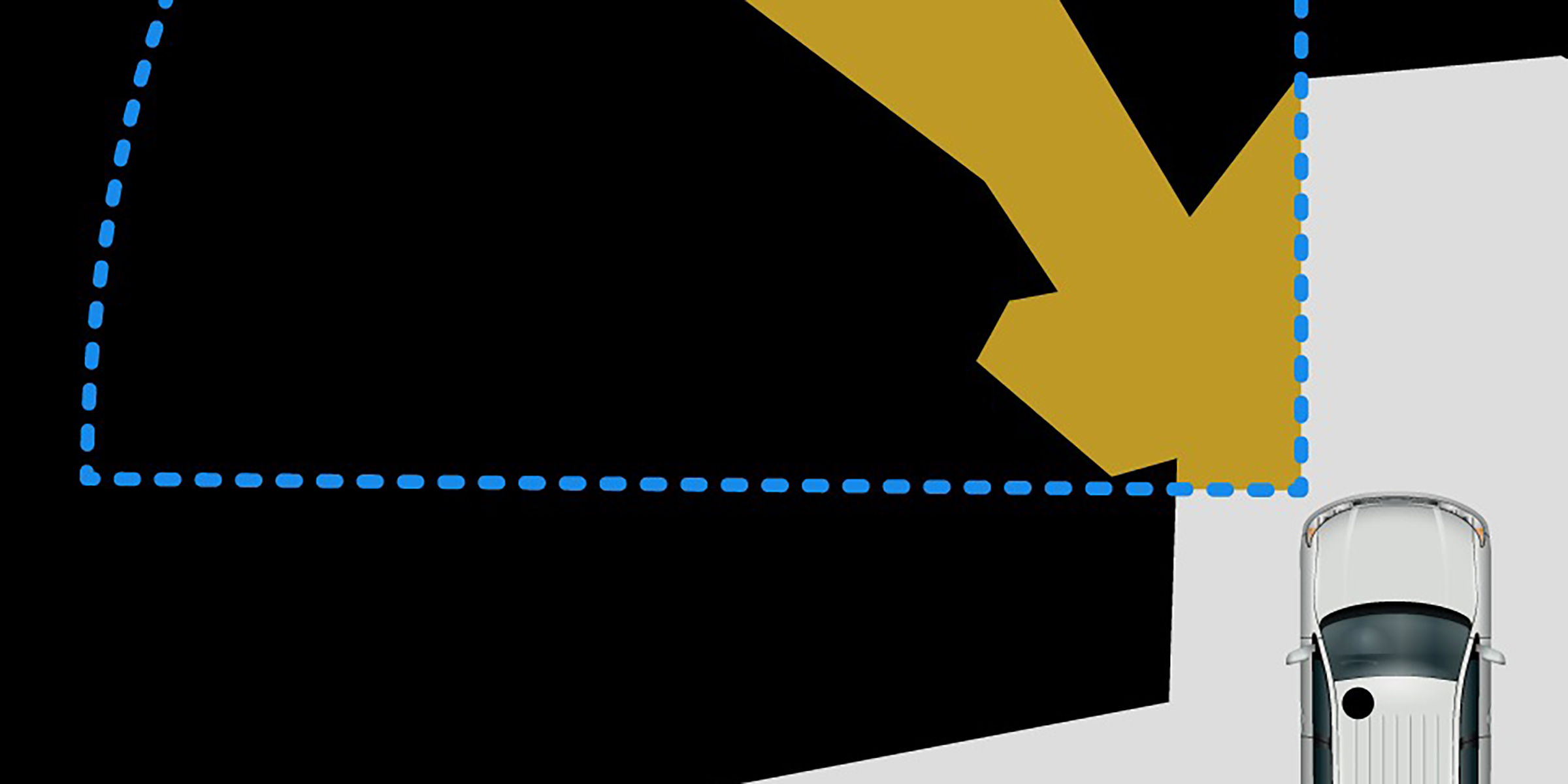
Automakers have spent years making vehicles bigger and taller, but a new national study shows that growth comes with a deadly downside for people on foot.
The Insurance Institute for Highway Safety has found that vehicles with large “blind zones” at the front and driver’s side are dramatically more likely to hit pedestrians during left turns, a finding that resonates painfully in places like Bakersfield and Kern County, where pedestrian deaths have surged in recent years.
“When a pedestrian can literally disappear behind a pillar or hood line, that’s not just bad luck, that’s bad design,” said Chris Hagan, partner and attorney at the Law Office of Chain | Cohn | Clark. “In a community like ours, where SUVs and trucks dominate and pedestrian deaths keep climbing, drivers and manufacturers both have a responsibility to make sure ‘I didn’t see them’ stops being an excuse.”
IIHS researchers examined nearly 4,500 pedestrian crashes from seven states to see how a vehicle’s direct visibility affects the odds of striking a person while turning. They focused on design features that block a driver’s line of sight, especially during left turns at intersections, where pedestrians are often crossing. The key findings are stark:
- Vehicles with a large driver‑side blind zone, blocking more than 30% of the “critical scanning area” a driver needs to see, had a 70% higher risk of hitting a pedestrian during a left turn than vehicles with small blind zones.
- Vehicles with a medium‑sized blind zone still had a 59% higher risk of left‑turn pedestrian crashes.
- A narrow front field of view between the A‑pillars (85 degrees or less) was linked to a 51% increase in left‑turn pedestrian crash risk compared to a wider field of 90 degrees or more.
- When the nearest visible ground point in front of the vehicle was more than 30 feet ahead of the driver (because of tall, long hoods), left‑turn pedestrian crash risk jumped 37%.
The culprits are familiar: thick, slanted A‑pillars that support the roof; bulky side mirrors mounted on or near those pillars; tall, long front ends and hoods, especially on SUVs and pickups; windshield geometry that pushes these obstructions directly into the driver’s line of sight.
“When a driver’s view is partially blocked, it’s easy for a person in the crosswalk to disappear from sight,” said Wen Hu in a statement, the IIHS senior transportation engineer who led the study. “That’s exactly the kind of situation that leads to turning crashes.”
IIHS President David Harkey put it more bluntly: “These results clearly identify problematic aspects of vehicle design. The challenge for automakers will be to find ways to address them that don’t diminish the protection vehicles provide to their occupants in a crash.”
The new visibility study comes against a backdrop of rapidly worsening pedestrian safety. Pedestrian deaths in the United States have risen 78% since 2009, now topping 7,300 fatalities per year. Plus, higher speeds, wide vehicle‑centric roadways, and the growing popularity of large SUVs and pickups are all suspected contributors.
Left‑turn crashes with pedestrians are common for several reasons:
- Drivers are often watching for oncoming cars, not scanning the crosswalk closely.
- Wide, multi‑lane roads require longer gaps in traffic, which can pressure drivers to “take” borderline chances.
- Large vehicles must swing wider and may accelerate harder through the turn.
- If A‑pillars and mirrors line up with a pedestrian’s position in the crosswalk, a person can be hidden in a “visual shadow” for several seconds.
In that context, a big blind zone isn’t just a minor annoyance, it’s a structural hazard that can erase a person from view at the worst possible moment. In Kern County intersections where speeds are high and lighting is poor, the outcome is often fatal.
Kern County and Bakersfield mirror, and in some ways exceed, this national crisis. Chain | Cohn | Clark’s own analysis and local crash data show:
- 55 pedestrian deaths in Kern County in 2024, the fourth straight year with more than 50 fatalities and a sharp jump from the mid‑30s seen just a few years ago.
- Bakersfield has been identified as one of the most dangerous cities in California, and fourth in the United States, for pedestrians, with 181 pedestrian deaths between 2018 and 2022, nearly 20% more than in the prior five‑year span.
- Many local deaths involve nighttime crashes on wide, fast arterial roads like Union Avenue, North Chester Avenue, Niles Street, and Roberts Lane, corridors heavily traveled by SUVs, pickups, and commercial vehicles.
Chain | Cohn | Clark has repeatedly highlighted how road design and vehicle size combine to make Bakersfield “a dangerous place to walk,” and the new IIHS study adds another piece to that puzzle: even at relatively low speeds in intersections, blind zones in modern vehicles can turn a simple left turn into a deadly maneuver.
While IIHS pushes automakers to redesign vehicles and regulators to consider visibility in safety ratings, drivers and families in Bakersfield and Kern County can take immediate steps:
- Actively “rock and lean” before left turns: Slightly move your body and head forward and side‑to‑side to see around pillars and mirrors before you enter the crosswalk area.
- Slow your turns way down: Treat every left turn across a crosswalk as if someone might be there, even if you don’t see them at first glance.
- Scan for pedestrians first, then cars: Make it a habit to clear the crosswalk in both directions before focusing on oncoming traffic gaps.
- Be extra cautious in large vehicles: If you drive an SUV, pickup, large crossover, or van, assume your blind zones are bigger than you think. Give yourself more time and space to see.
- At night, expect invisible pedestrians: In Kern County, most pedestrian deaths happen after dark; drive with high beams when safe and reduce speed well below the limit in pedestrian‑heavy areas.
As for pedestrians:
- Make eye contact with turning drivers before stepping into the crosswalk.
- Avoid stepping out from behind parked vehicles or poles near intersections where you may already be in a blind zone.
- At night, wear light or reflective clothing and use lights whenever possible.
IIHS suggests that regulators and rating programs begin to account for direct visibility when assessing vehicle safety, not just crashworthiness and crash‑avoidance tech. That could mean factoring blind zone size and field of view into safety ratings, encouraging slimmer A‑pillars made from stronger materials. rethinking hood height and mirror design, and pairing better design with pedestrian detection and automatic emergency braking systems.
Locally, Chain | Cohn | Clark has urged Bakersfield and Kern County leaders to adopt stronger “Vision Zero”–style strategies, redesign high‑injury intersections, and add more protected crossings, lighting, and traffic calming along deadly corridors. The new findings reinforce that safer vehicles and safer streets must work together if communities want to bring pedestrian deaths down.
“When a driver in a large vehicle hits a pedestrian while turning left, the victim often hears the same refrain: ‘I never saw them.’ The research shows why that may be true, but it does not erase legal responsibility,” Hagan said. “Drivers have a duty to ensure the crosswalk is clear, and manufacturers may also face scrutiny as the role of design becomes clearer.”
———
If you or someone you know is injured in an accident at the fault of someone else, or injured on the job no matter whose fault it is, contact the attorneys at Chain | Cohn | Clark by calling (661) 323-4000, or fill out a free consultation form, text, or chat with us at chainlaw.com.

