
The Hidden Danger of Internal Injuries After a Car Accident
March 29, 2026 | Article by Chain | Cohn | Clark staff Social Share
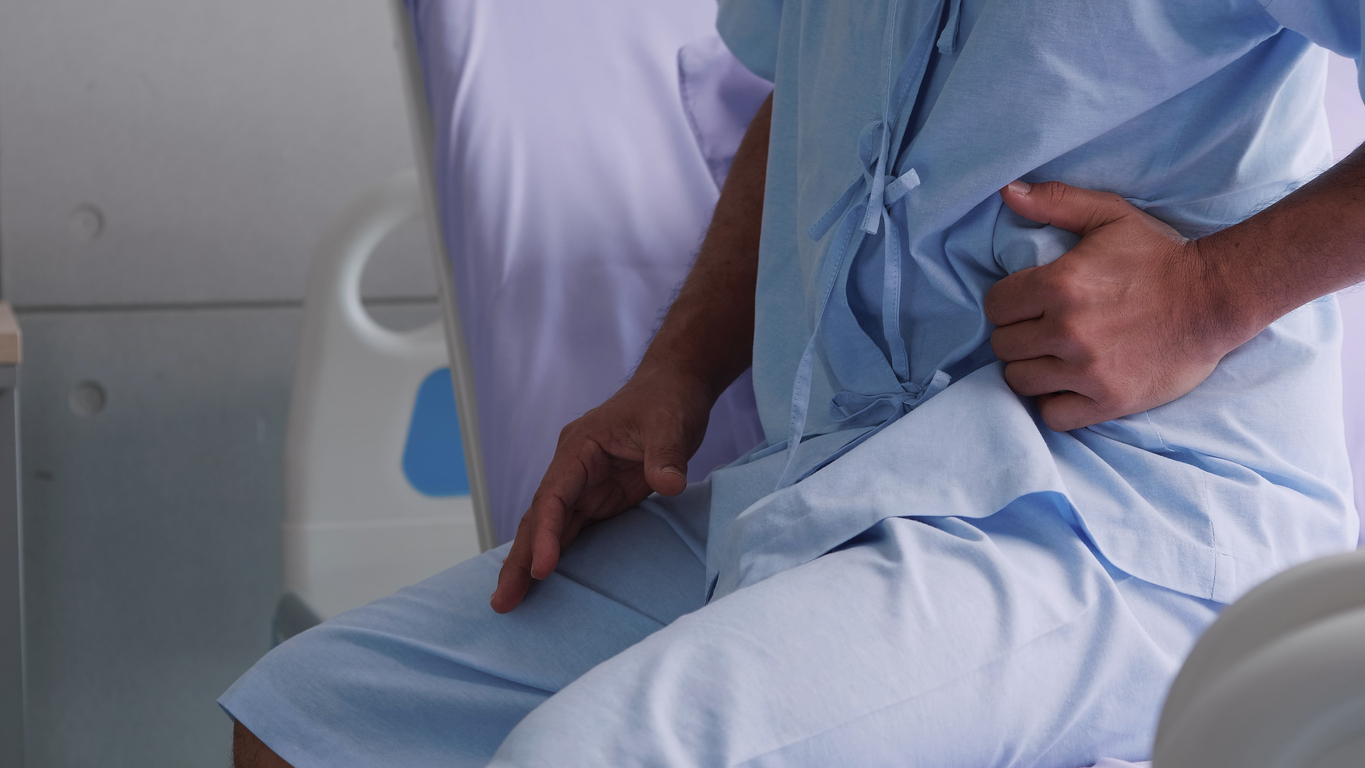
You walk away from a car accident feeling shaken—no broken bones, no visible wounds, maybe just a little soreness. The relief is understandable. But feeling okay in the moments after a crash doesn’t always mean you are okay. Internal injuries are among the most serious risks after a collision, and they often don’t show symptoms right away. Hours or even days later, what seemed like a minor incident can become a medical emergency. If you were recently involved in a crash, our Bakersfield car accident lawyers are here to help you understand your rights.
What Are Internal Injuries?
Internal injuries occur when organs, blood vessels, or tissues inside the body are damaged. Unlike common car accident injuries such as broken bones or lacerations, these injuries aren’t visible from the outside—but they can be life-threatening.
Common kinds of internal injuries after car accidents include:
- Internal bleeding
- Organ damage (such as spleen, liver, or kidney rupture)
- Lung injuries, including collapsed lungs
- Traumatic brain injuries, including concussions or intracranial bleeding
Even a relatively low-speed crash can generate enough force to cause serious internal trauma.
The Danger of Delayed Symptoms
One of the biggest risks with internal injuries is delayed onset. Symptoms may not appear for hours or days after the accident, by which time the condition may already have worsened.
Pay close attention to warning signs like:
- Abdominal pain or swelling
- Deep bruising or discoloration
- Dizziness or fainting
- Headaches that worsen over time
- Nausea or vomiting
- Shortness of breath
- Unusual fatigue or weakness
These symptoms can indicate internal bleeding or organ damage and should never be ignored.
Internal Bleeding: A Serious and Silent Risk
Internal bleeding is particularly dangerous because it can worsen steadily without any obvious external signs. As blood loss continues, symptoms may include lightheadedness, a rapid heartbeat, pale or clammy skin, and confusion.
Untreated internal bleeding can be fatal. If there is any chance you sustained internal injuries in a crash, it’s important to seek medical help right away.
In the most devastating cases, undetected internal bleeding contributes to fatal outcomes—which can form the basis of a wrongful death claim brought by surviving family members. Whether you are seeking answers for yourself or a loved one, getting prompt medical documentation is critical to both your health and any future legal action.
Why Delaying Medical Care Can Hurt Your Claim
Waiting to seek care doesn’t only put your health at risk; it can also undermine any future legal claim. Insurance companies routinely look for reasons to minimize payouts, and a gap in medical treatment gives them grounds to argue that your injuries weren’t serious, that the accident didn’t cause your condition, or that you made things worse by waiting.
Even something as simple as saying “I’m fine” at the scene or during an early insurance call can be used against you later.
What to Say to Insurance Companies After a Crash
After an accident, insurance adjusters often reach out quickly and ask how you’re feeling. They’re trained to get you talking casually before you’ve had time to understand the full extent of your injuries. This is especially common in cases involving commercial vehicles—if a truck accident caused your injuries, carrier-side adjusters often make contact within hours and are experienced at minimizing claims.
Any recorded statement can be used to challenge your claim. When speaking to an insurer after a crash, avoid making definitive statements about your health before you’ve been properly evaluated. A safe response is to say you’re still receiving medical treatment and don’t yet know the full scope of your injuries—or, better yet, refer the adjuster to your attorney.
What to Do If You’ve Been in a Car Accident
If you’ve recently been in a crash, taking these steps can protect both your health and your legal rights:
- Seek medical attention immediately. Don’t wait for symptoms to develop.
- Follow all medical advice. Keep every follow-up appointment and monitor how you feel.
- Document any changes in your condition. Note new or worsening symptoms as they appear.
- Be cautious with insurance companies. Don’t make definitive statements about your health before a full evaluation.
- Consult a personal injury attorney if symptoms develop or your condition worsens after the accident.
Protecting Your Health and Your Rights After a Crash
Seeking medical attention after a car accident isn’t overreacting. It’s how you protect yourself, both physically and legally. The sooner internal injuries are identified, the better your chances of recovery—and the stronger your position if you need to pursue a claim. If you have questions about injuries sustained in a car accident, Chain | Cohn | Clark is here to help. Contact us today for a free case review.

