
Just Drive, California: The Fight To Put A Stop To Distracted Driving In The Golden State, Central Valley
April 8, 2026 | Article by Chain | Cohn | Clark staff Social Share
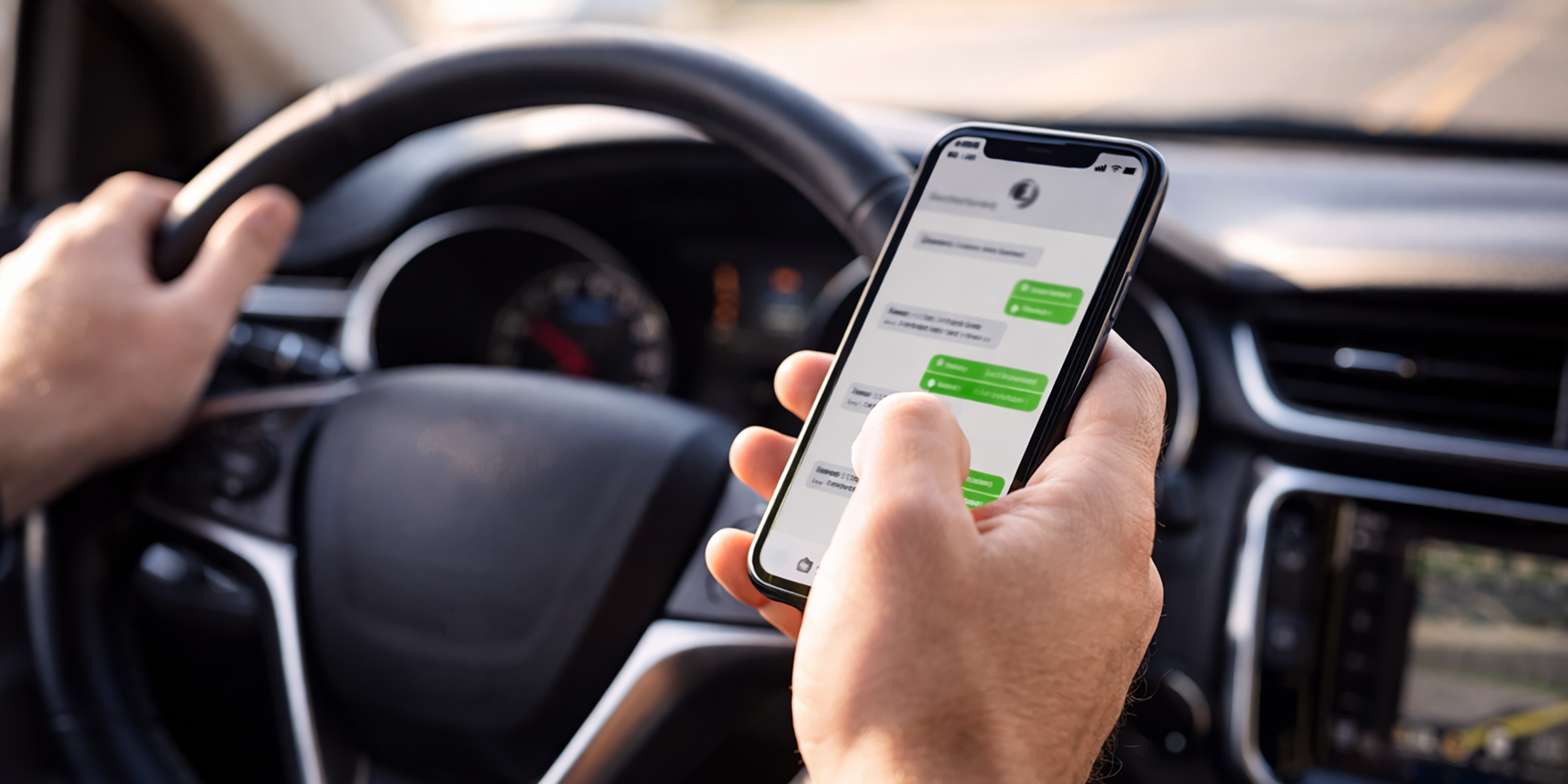
The ping of a text. The buzz of a notification. The glance down that “only” takes a second.
In California and across the country, that tiny moment of distraction is now killing more than 3,200 people and injuring over 315,000 others every year, turning our phones, dashboards, and notifications into the trigger for some of the most preventable tragedies on our roads.
“By changing your music, texting, or reaching for that snack in your vehicle, you are gambling with your life and the lives of others,” said Chad Boyles, partner and attorney at the Law Office of Chain | Cohn | Clark. “It takes but that instant to change your life forever.”
A Deadly Epidemic We Don’t Fully See
National Highway Traffic Safety Administration calls distracted driving a “deadly epidemic” and the numbers back it up. In 2024 alone, 3,208 people were killed in crashes involving distracted drivers. An estimated 315,167 people were injured, from broken bones and burns to traumatic brain injuries that never fully heal. And over the past decade, more than 32,700 people died in distraction‑affected crashes nationwide.
And those are just the cases we can prove. The National Safety Council and AAA stress that distraction is widely underreported, because it is hard for officers to confirm phone use or other distractions after a crash, and drivers rarely admit they were texting or scrolling when they hit someone. Many police forms still don’t capture all types of distraction.
A Nationwide Insurance poll found claims agents believed about 50% of all crashes involve distracted driving, far more than official reports reflect. That means for every headline crash we hear about, there may be countless more where distraction never makes the paperwork, but still shatters lives.
California: Strong Laws, Persistent Problem
California has some of the toughest distracted‑driving laws in the country. Earlier Chain | Cohn | Clark articles have walked through those rules, including the 2021 change that made it clear: holding your phone for any reason while driving is illegal, even at a red light. Today, the core rules are as follows:
- Under Vehicle Code section 23123.5, drivers may not hold a handheld phone or electronic device while driving, unless the device is properly mounted and used hands‑free.
- Texting, tapping apps, or dialing by hand is illegal even when stopped at a light or in traffic.
- A first offense typically carries a base fine starting around $162, and repeat violations can add a negligent‑operator point to your record, hiking insurance premiums.
- Drivers under 18 may not use a phone at all while driving, not even hands‑free.
Despite that, California’s Statewide Integrated Traffic Records System shows distraction was reported in more than 3,400 crashes between 2020 and 2025, injuring over 1,600 people, and CHP says hundreds more collisions each year involve drivers violating the hands‑free law. The problem isn’t that the law is unclear; it’s that too many people treat it like a suggestion instead of a life‑and‑death boundary.
“Just Drive” and “Put the Phone Away or Pay”
This April, NHTSA and the National Safety Council are coordinating a one‑two punch: enforcement and education. NHTSA’s “Put the Phone Away or Pay” campaign will run through mid‑April, backed by a national media buy and high‑visibility enforcement aimed especially at drivers 18–34, who are over‑represented in distraction‑related deaths. Officers across California — including CHP and local agencies throughout the Central Valley — will step up patrols focused on drivers holding or interacting with devices.
The National Safety Council’s theme this year is “Just Drive”, a reminder that behind the wheel, driving itself should be the only task. NSC notes our roads are now more dangerous than they have been in years, with over 40,000 traffic deaths annually and distraction playing a key role. Even “hands‑free” conversations can cause cognitive distraction, where your eyes are on the road but your mind is somewhere else.
Together, the message is simple: if you’re driving, drive, and nothing else.
It’s Not Just Texting Anymore
Texting and talking while driving are still major problems, but in 2026 distraction has evolved:
- In‑dash touchscreens now act like supersized smartphones, with maps, streaming, and apps only a tap away.
- Smartwatches and wearables buzz with messages, tempting drivers to glance down at their wrists.
- Video meetings and streaming have crept into commutes, with drivers “just listening” to Zoom calls or podcasts and occasionally glancing at the screen.
NHTSA explains that any distraction fits into at least one of three categories — visual, manual, or cognitive — and many modern gadgets hit all three at once. You take your eyes off the road, your hands off the wheel, and your mind off driving.
The AAA Foundation puts it in stark terms: a two‑second distraction can increase crash risk more than 20 times, and at 55 mph, those two seconds are like driving the length of a football field blindfolded.
Making California Cars Truly Distraction‑Free Zones
Knowing the law and the stats is one thing; changing habits is another. For California families, especially in high‑risk areas like the Central Valley, steps that actually work include:
- Create a no‑phone rule for moving vehicles: Treat your car like an airplane on takeoff: once you put it in drive, the phone goes into “airplane mode” for your attention. Use “Do Not Disturb While Driving” features so calls and texts are automatically silenced or answered.
- Set up before you roll: Program GPS, start your playlist, adjust climate controls, and send any “on my way” texts while parked. If something changes mid‑trip, pull over or wait for a safe stop.
- Designate a co‑pilot: On family trips, make a passenger in charge of directions, music, and messages. Parents can model this for kids long before they’re old enough to drive.
- Make a family pledge, especially with teens: Put in writing that everyone in the household agrees not to text, scroll, or handle devices while driving, and that passengers will speak up if they see a driver doing it.
- Support enforcement, don’t resent it: When you see CHP or local agencies running distracted‑driving operations, remember they’re doing it because every crash caused by distraction is preventable.
“Distracted driving is 100% preventable,” Boyles said. “Put the phone down. Keep both hands on the wheel. Someone else’s life, or your own, depends on it.”
When a Distracted Driver Hurts You
Even with strong laws and campaigns, some people will keep taking reckless chances. When they do, victims are left with emergency bills, lost wages, months or years of treatment, and emotional trauma that doesn’t show up on a CT scan. Proving distraction can be crucial to holding them fully accountable. In serious California cases, Chain | Cohn | Clark may help accident victims by:
- Securing phone and app records to show texts, calls, or social‑media activity at the moment of the crash.
- Downloading vehicle and infotainment data that logs screen interactions or app use.
- Collecting dash‑cam and surveillance footage that may capture a glowing phone or other in‑car behavior.
- Working with crash‑reconstruction experts to show that an attentive driver would have braked, swerved, or otherwise avoided or lessened the impact.
California law allows injured people to recover for medical expenses, lost income, pain and suffering, and future care, but insurance companies often downplay distraction or blame victims. Having a law firm that understands both the technology and the traffic laws can make a critical difference.
———
If you or someone you know is injured in an accident at the fault of someone else, or injured on the job no matter whose fault it is, contact the attorneys at Chain | Cohn | Clark by calling (661) 323-4000, or fill out a free consultation form, text, or chat with us at chainlaw.com.

