
Can I Get Compensation After a Lane-Splitting Motorcycle Crash?
March 25, 2026 | Article by Chain | Cohn | Clark staff Social Share
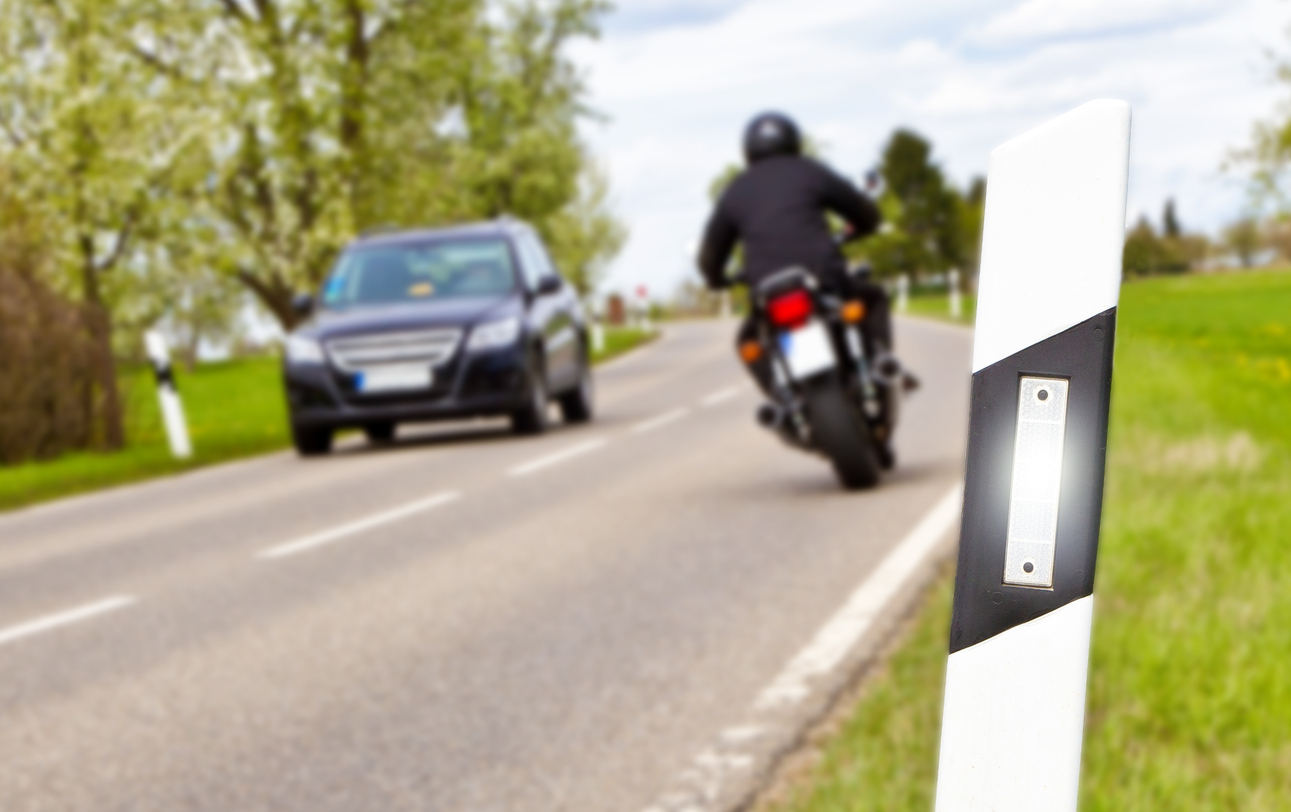
If you were lane-splitting when a crash happened, you might assume the case is already closed against you. It isn’t.
Protecting Your Rights After a Lane-Splitting Crash
You were riding legally. If someone else’s carelessness caused your crash, you shouldn’t have to absorb the financial fallout alone. You may be entitled to compensation for medical expenses, lost wages, damage to your motorcycle, and the pain and disruption this has caused your life.
Contact Chain | Cohn | Clark for a free case review. The sooner you get a Bakersfield personal injury attorney involved, the better position you’ll be in to protect your claim.


Lane splitting is perfectly legal in California. Riding between lanes doesn’t hand the other driver a free pass—and it certainly doesn’t mean you’re automatically to blame if a crash does occur. Depending on what actually caused the collision, the driver of the car or truck could be partially—or even entirely—at fault.
Lane Splitting Is Legal in California
California is one of the only states that expressly recognizes lane splitting as a legal practice. Under California Vehicle Code §21658.1, it’s defined as a motorcycle traveling between rows of stopped or moving vehicles in the same lane—and it’s been part of California traffic law for years.
That legal status matters. Because lane splitting is permitted, the fact that you were doing it can’t be used on its own to pin the crash on you. What courts and insurance adjusters actually look at is how everyone involved was driving, and whether someone’s carelessness caused the collision.
California Uses Comparative Fault
California follows a comparative negligence standard, which means fault doesn’t have to land on just one person. Multiple parties can share responsibility for the same crash, and that’s actually a crucial protection for injured riders.
Under this rule, you can still recover compensation even if you were partly at fault; your payout is simply reduced by your share of the blame. So if a driver was 80% responsible for making a reckless lane change and you were 20% responsible for your speed, you’d still be entitled to 80% of your damages.
Common Causes of Lane-Splitting Accidents
In the event of a crash, insurance companies have a habit of pointing the finger at motorcyclists simply because they were splitting lanes. An experienced motorcycle crash attorney will dig into the evidence—traffic camera footage, witness accounts, phone records—to show what actually happened.
Drivers changing lanes without checking their mirrors are one of the leading causes of lane-splitting collisions. California Vehicle Code §22107 requires drivers to signal and to confirm it’s safe before moving over. When someone merges suddenly, cuts across multiple lanes, or never signals at all, they’re breaking that law. That violation can become powerful evidence of negligence.
It only takes a second of inattention for a car to drift across a lane line. When a driver is texting, fiddling with GPS, or just zoning out in stop-and-go traffic, they may not realize they’ve drifted until they’ve already hit you. Common scenarios include a vehicle gradually wandering into your path, a sudden last-second merge toward an exit, or even a door swinging open without warning. Any of these can create serious liability for the driver.
Some drivers simply don’t like being passed in traffic, and a few act on that frustration in dangerous ways. California law prohibits drivers from deliberately blocking or interfering with a motorcycle. Swerving to cut off a passing rider or swinging open a door to stop them isn’t just aggressive driving—it’s illegal, and it puts the bulk of the responsibility squarely on the motorist.
When Riders May Share Responsibility
However, this doesn’t mean that lane splitting comes without any rules. If you were traveling significantly faster than surrounding traffic, weaving between vehicles unpredictably, or riding aggressively given the conditions, those factors will be examined—and they could affect your share of fault.
But here’s what matters: sharing some fault doesn’t erase your right to compensation. Investigators look at the full picture: traffic speed, visibility, road conditions, everyone’s behavior. Even riders who made a mistake can still have a valid claim.

