
The Police Report Blames Me—Am I Automatically at Fault?
February 4, 2026 | Article by Chain | Cohn | Clark staff Social Share
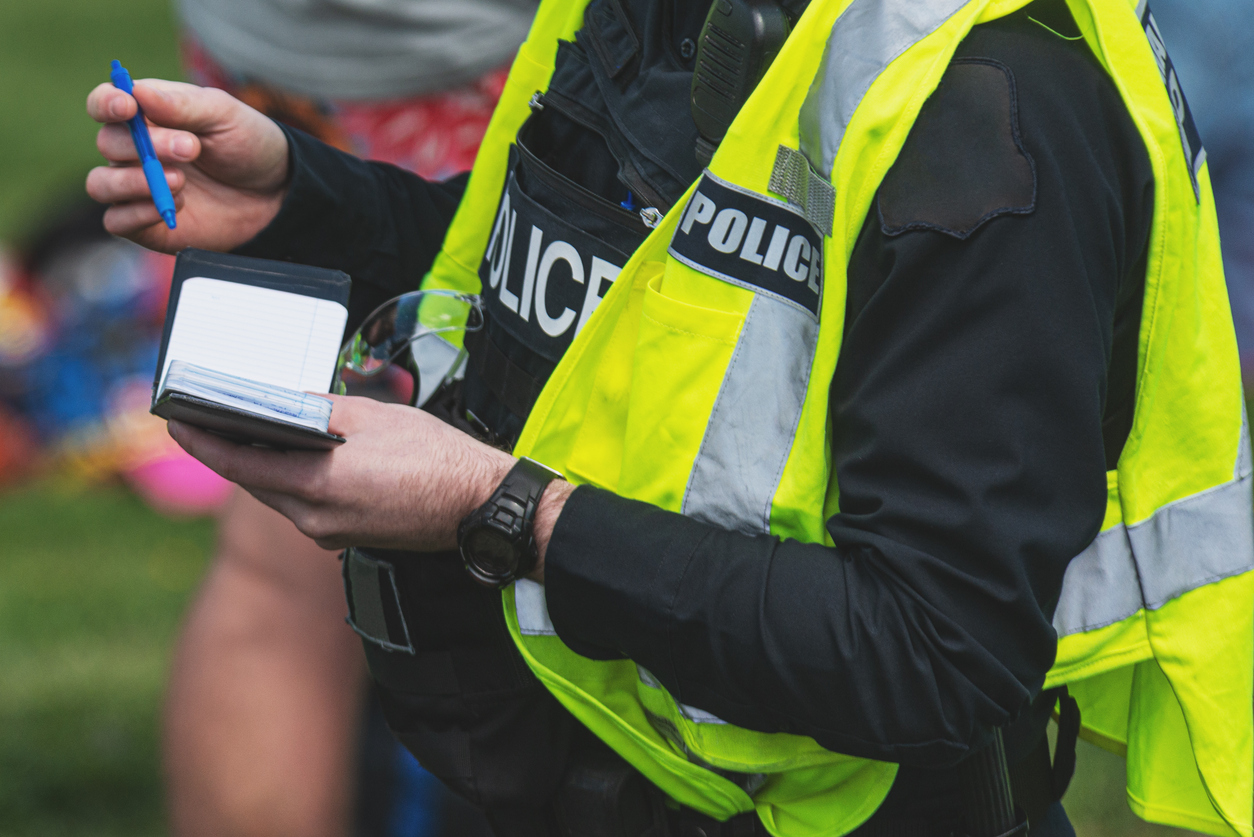
You can’t believe it. You’re in pain after your car accident, unable to work—and you’ve just read a police report that makes it sound like the crash was your fault.
Stay calm. In California, a police report does not decide your case. It’s just one piece of information: often incomplete, sometimes wrong, and almost always written without hearing the full story. Before you assume you have no claim, it’s important to understand what a police report actually is—and what it is not.
What a Police Report Really Represents
A police officer usually arrives after the crash. They did not see it happen. They rely on:
- Quick statements from stressed-out drivers
- Limited witness input (if any)
- Physical positioning of vehicles
- Their own assumptions about what may have occurred
They are not performing a courtroom investigation. They are creating a traffic report. That means their assessment of the situation can be incomplete, one-sided, and/or based on incorrect or partial statements.
Why Police Reports Are Often Wrong
There are a few common reasons why police reports may end up sounding misleading.
- One driver was injured and couldn’t clearly explain what happened
- Witnesses left before giving statements
- An officer misunderstood what a driver meant
- The diagram doesn’t match vehicle damage
- Road conditions or visibility weren’t noted
- The officer assumed fault based on surface details
We regularly see reports that do not match dash cam footage, surveillance video, or later witness statements.
One document should not decide your future. Before you assume the report ends your case, let us review it.
The Officer’s Opinion Is Not a Legal Decision
In California, fault is determined by evidence. A police report is just one piece of that puzzle.
Insurance companies and courts look at:
- Vehicle damage patterns
- Video footage
- Witness credibility
- Medical records
- Skid marks, debris, and roadway layout
- Consistency of statements
Even when an officer assigns fault, that opinion can be challenged successfully.
California’s Comparative Fault Rule Protects You
Reading a report that blames you for an accident can make you feel ashamed or hopeless before your case even begins. However, California state law actually protects you, even if you share some portion of blame.
California follows a system of comparative fault, which means that even if you were partially responsible, you may still recover compensation. For example, if you were 30% at fault, you can still recover 70% of your damages; if you were 10% at fault, you can still recover 90%; and so on.
A police report does not eliminate your claim. At most, it becomes one factor in the analysis.
When Police Reports Miss Critical Facts
We frequently see reports that fail to mention:
- Speed of the other driver
- Cell phone use
- Unsafe lane changes
- Tailgating
- Improper turns
- Mechanical failures
- Poor road conditions
Those details often change everything. If the report doesn’t reflect what really happened, you still have options.
Insurance Companies Rely Heavily on Police Reports—Even When They’re Wrong
Insurance adjusters love police reports because they provide an easy excuse to deny or reduce claims. But insurance companies are not judges. They are businesses. If a report helps them save money, they will lean on it, even if the report is flawed.
That’s why a careful review of the available evidence and a thoughtful, well researched challenge can make a big difference in the result of your case.
What a Lawyer Actually Does With a Police Report
If you were injured in a car accident, or if your accident report contains glaring problems (e.g., inaccuracies in the other driver’s story, exclusion of witnesses, etc.), a lawyer can help you.
Our skilled personal injury attorneys do not simply accept the report as is. We analyze it for:
- Internal contradictions
- Missing details
- Diagram inconsistencies
- Witness mislabeling
- Incorrect assumptions
- Language that suggests uncertainty
Then we compare it to medical records, vehicle damage, photographs, and independent evidence. Many successful cases begin with a “bad” police report.
Example of a Mistaken Police Report
Imagine a driver was listed as at fault for “unsafe lane change.” The report made it sound clear.
However, upon later review:
- The other driver was speeding
- A witness confirmed sudden acceleration
- Vehicle damage contradicted the diagram
The case could result in a recovery for the driver originally blamed. The sooner a Kern County crash lawyer gets involved, the more leverage you have.
What Happens During a Report Review
A review costs nothing, but it can save you thousands. We simply ask:
- Does the report match the physical evidence?
- Does it match your injuries?
- Does it match witness statements?
- Does it reflect the full story?
If it does, we tell you honestly. If it doesn’t, we explain how it can be challenged.
No pressure. No obligation. Just clarity.
Talk to Us Before You Assume You Have No Case
A police report is not a verdict. It is not a courtroom decision. It is not the final word on the outcome of your case. It is one version of a moment written by someone who did not see the crash happen. Your recovery, your medical care, and your future deserve more.
Contact Chain | Cohn | Clark for a free case review today.

