
Common Causes of Refinery and Pipeline Accidents in Kern County
July 31, 2026 | Article by Chain | Cohn | Clark staff Social Share

Refinery and pipeline accidents are among the most devastating workplace injuries in Kern County, and the workers who suffer them are often left facing severe burns, toxic exposure, or the loss of someone they love. If you were hurt at a Bakersfield refinery or on a pipeline crew, the days after an accident are often confusing and overwhelming: dealing with medical care, questions about who was at fault, and uncertainty about what your employer owes you. Knowing how these accidents happen, and what your legal options are, is the first step toward protecting yourself and your family.
Your Legal Options After a Refinery Accident
Most injured refinery and pipeline workers in Kern County can claim workers’ compensation, which generally covers medical care and a portion of lost wages regardless of who was at fault. It does not, however, pay for pain and suffering, and it typically prevents a worker from suing an employer directly. For a serious burn or exposure injury, those benefits rarely cover the full cost of recovery.
Refinery sites in Bakersfield and across the region are crowded with contractors, equipment makers, and other companies. If one of them caused your injury, you may have a third-party claim against that party for the full value of your losses, separate from your workers’ compensation benefits. When an accident is fatal, the worker’s family may have a wrongful death claim.
Steps to Take After a Refinery or Pipeline Accident
- Get medical care immediately, both for your health and to document the injury, and report the accident to your employer.
- If a chemical was involved, note what it was, since that information matters for both treatment and for any subsequent claim.
- Keeping your protective gear and clothing can help too, because they may show what you were exposed to.
- Write down what happened and the names of every company on site.
- Be cautious about giving recorded statements before you have received legal advice.
A Bakersfield Oil Refinery and Pipeline attorney can investigate the cause, preserve evidence, and identify everyone who may share responsibility before the scene and records change.

Why Refinery and Pipeline Work Carries Such High Risk
Refineries and pipelines handle flammable fuels, pressurized systems, and toxic chemicals around the clock. A small failure in that environment can escalate quickly, turning a routine task into a catastrophe before anyone has time to react.
Much of the work also happens at height, in confined spaces, and/or around heavy equipment, which stacks physical dangers on top of the chemical and fire risks. When safety systems are maintained and followed, these hazards stay manageable. When they break down, the consequences are often severe and may affect more than one worker at a time. Many of these jobs are handled by contractors who move between sites, so the people most at risk are not always employees of the refinery itself.
Common Causes of Refinery and Pipeline Accidents
Most serious incidents trace back to a handful of recurring hazards.
Flammable hydrocarbons and ignition sources are everywhere in a refinery, so a leak, a spark, or an overpressured vessel can trigger a blast. These are among the deadliest refinery and pipeline accidents because a single event can injure many workers at once.
Refining releases gases and chemicals such as hydrogen sulfide and benzene. Any release, even a brief one, can cause respiratory injury, chemical burns, or long-term illness that may not surface for years.
Corroded pipe, failed valves, and worn seals can release product under high pressure. A pipeline rupture can spray flammable or toxic material across a wide area before the system can be shut down.
Workers climb tanks and towers and enter vessels, pits, and tight spaces for maintenance. A fall from height or a low-oxygen confined space can be fatal without the right protection and monitoring.
Welding, cutting, and turnaround work bring ignition sources near residual fuels and vapors, which is why these tasks account for a disproportionate share of refinery injuries.
The Root Cause of Many Refinery Accidents
Behind these immediate causes, there is usually a deeper failure. Skipped or deferred maintenance, inadequate inspection, and gaps in process safety management let small problems grow into disasters.
Pressure to keep production running, understaffing, and rushed turnarounds can all lead to cut corners. Federal and California process safety rules exist to prevent exactly these failures, and a violation of these often points to who is responsible for an accident. Identifying that failure is usually the key to a strong claim.
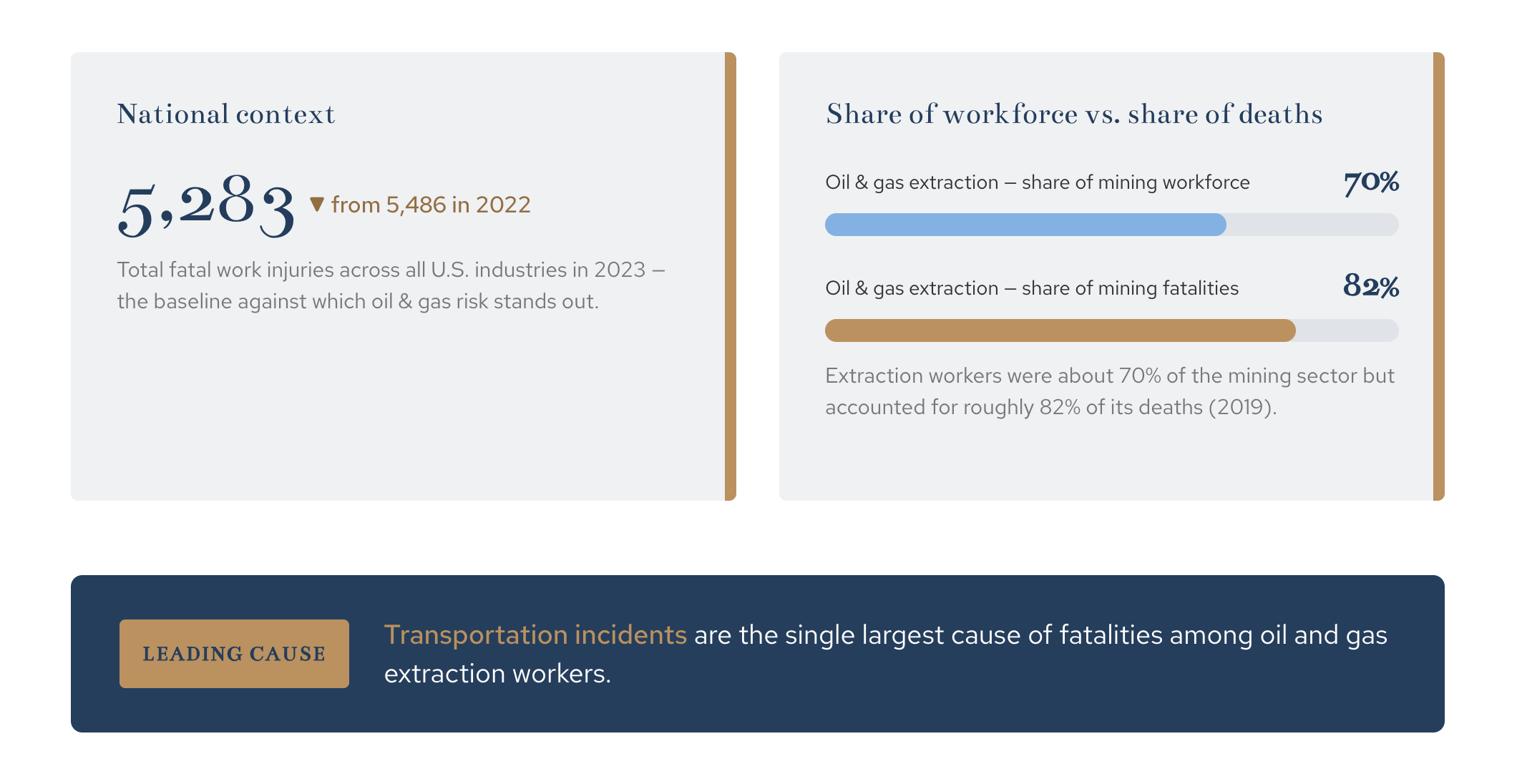
Injuries From Refinery and Pipeline Accidents
The injuries from these accidents tend to be catastrophic. Severe burns, respiratory damage from toxic exposure, traumatic injuries from explosions, and hearing loss are all common, with many requiring long hospital stays and lasting medical care.
Some harm from chemical exposure does not appear right away. Illnesses tied to benzene and other substances can develop over time, which makes documenting any exposure extremely important, even if you feel fine at first. A medical record created at the time can matter a great deal later.
Talk to a Kern County Refinery Accident Attorney
Chain | Cohn | Clark has represented Kern County energy workers for decades, from Bakersfield’s refineries to the oilfields across the Central Valley. If you or a loved one was hurt in a refinery and pipeline accident, our attorneys can investigate the cause and pursue every source of compensation. Contact us today for a free consultation.
Note: This article is for general information and is not legal advice. Consult an attorney about the specific facts of your case.


