
Forklift Accidents on the Job: Workers’ Compensation and Beyond
July 21, 2026 | Article by Chain | Cohn | Clark staff Social Share

A forklift accident at work can cause serious injuries. If you were hurt operating or working near a forklift, workers’ compensation is usually your first source of benefits. In many cases, however, you may have other options to pursue financial damages.
Workers’ Compensation After a Forklift Accident
Workers’ compensation covers on-the-job injuries regardless of fault, including most forklift accidents. It pays for medical care and a portion of your lost wages while you recover.
What it does not cover is pain and suffering, and it generally prevents you from suing your employer. For a serious forklift injury, those limits may mean that certain expenses are left unaddressed.
Benefits can also include permanent disability payments when an injury leaves lasting limitations, along with retraining help if you cannot return to your old job. These benefits can be helpful, but they are capped by law and rarely reflect the full toll of a severe injury. They also do not compensate the people who depend on you for the way an injury changes daily life at home.
When You Can Recover Beyond Workers’ Compensation
Workers’ compensation does not prevent you from suing everyone connected to a forklift accident. If a third party other than your employer contributed to the injury, you may have a separate claim against them.
Examples include: a manufacturer whose forklift had a design or mechanical defect, a maintenance company that serviced the machine poorly, a rental company that supplied faulty equipment, or another contractor on a shared worksite. A third-party claim can include compensation for aspects of the injury that workers’ compensation does not, such as pain and suffering.
Determining whether a third party is at fault takes investigation. It often means examining the forklift’s maintenance history, the conditions at the worksite, and whether anyone outside your employer created or contributed to the hazard.
Preserving Evidence After a Forklift Accident
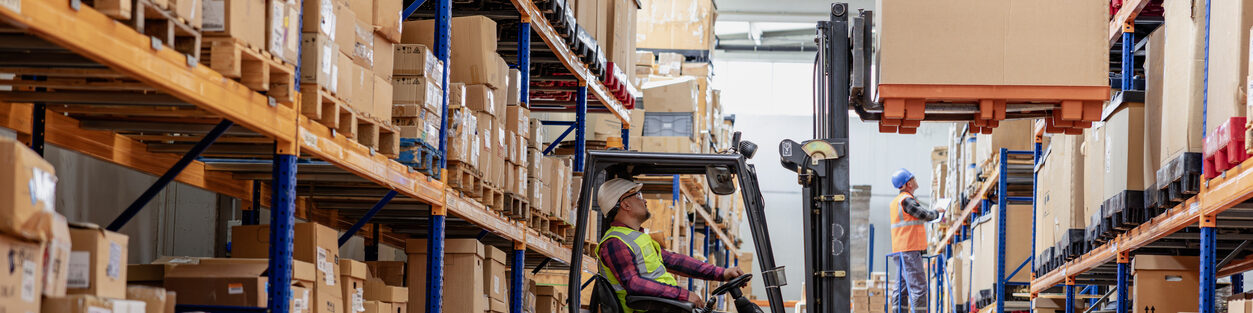
The forklift itself is often the most important piece of evidence. An attorney can send a preservation letter so the machine is not repaired, returned, or destroyed before it can be inspected.
Photographs of the scene, the incident report, and witness statements all help complete the picture of what went wrong. If coworkers saw the accident, their accounts can be valuable, and an attorney can gather them before memories fade or people move on from the job.
Safety Rules That May Apply
California requires employers to train and certify forklift operators and to keep equipment in safe working condition. When an employer skips training, ignores maintenance, or pushes workers to operate in unsafe conditions, those failures can become important evidence in a claim.
Records of training, maintenance, and inspections can reveal whether safety requirements were ignored, and whether the accident could have been prevented.
Common Forklift Accident Causes
Forklift injuries often trace back to preventable problems. Tip-overs, falling loads, and workers struck by a forklift are among the most frequent, and they can cause crush injuries, amputations, and head trauma. Inadequate operator training, poor maintenance, defective parts, and crowded or poorly marked work areas all raise the risk.
Identifying the cause early often points to who is responsible, including parties beyond your employer.
Common Forklift Injuries
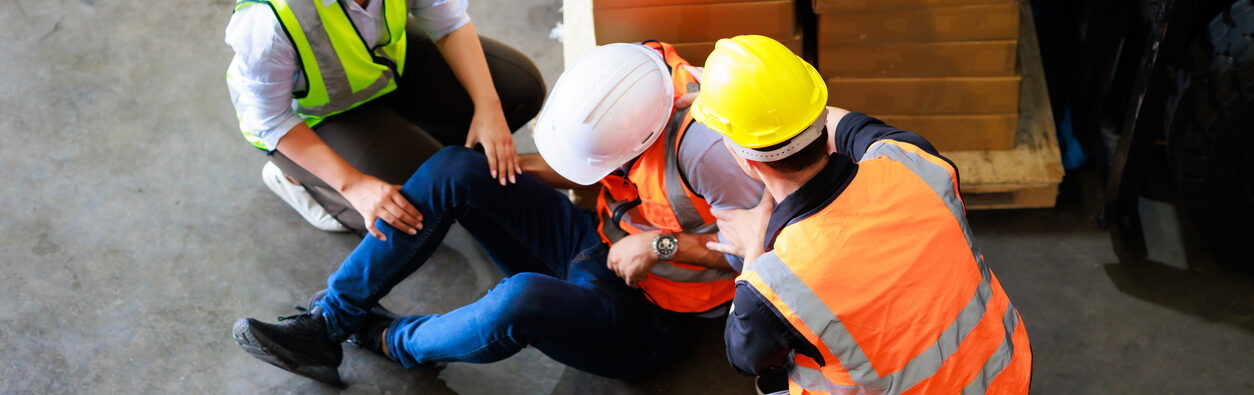
The weight and force involved in forklift work make injuries serious. Crush injuries, amputations, broken bones, spinal damage, and head trauma are common, and some leave workers permanently unable to return to the same job. Workers on foot near a forklift face some of the gravest risks, since a moving machine or a falling load gives little time to react.
The severity of these injuries is one reason it is worth looking beyond workers’ compensation, which often falls short of covering a lifetime of medical care and lost income.
Compensation After a Serious Forklift Injury
Workers’ compensation provides medical care and partial wage replacement, but it stops there. A third-party claim can add compensation for pain and suffering, the full value of lost earnings, and reduced future earning capacity.
For a worker with a permanent injury, those additional categories often make up the largest part of a recovery. When a forklift accident is fatal, the worker’s family may bring a wrongful death claim against a responsible third party. Pursuing every available claim together gives you access to the full compensation the law allows.
Deadlines for a Forklift Injury Claim
Workers’ compensation has its own reporting requirements, so it is important to tell your employer about the injury as soon as possible. A third-party claim against a manufacturer or other negligent company generally must be filed within two years under California law.
Because these deadlines run while you are focused on recovering, getting advice early helps protect every claim available to you.
Talk to a Kern County Heavy Equipment Attorney
Chain | Cohn | Clark helps injured workers across Kern County pursue every available source of compensation. Our attorneys handle workers’ compensation and heavy equipment accident claims, including forklift cases. Call today for a free review.
This article is for general information and is not legal advice. Consult an attorney about the specific facts of your case.

