
When Defective Farm Equipment Causes Injury: Who Is Liable?
July 27, 2026 | Article by Chain | Cohn | Clark staff Social Share

Agricultural and industrial machines are powerful by design, and when one fails, the results can be catastrophic. If you were hurt by defective farm equipment, the manufacturer or another company in the supply chain may be legally responsible, separate from any workers’ compensation claim. Knowing who can be held liable is the first step toward achieving full compensation.
Defect or Misuse?
The central question in these cases is whether the injury came from a defect in the machine or from how it was used. A machine that fails when operated normally, or that lacked a safety feature it should have had, points toward a product liability claim against the company that made or sold it.
Product liability follows a different path than an ordinary workplace injury. Under California law, an injured person can hold manufacturers, distributors, and sellers responsible when a product is unreasonably dangerous. However, manufacturers sometimes respond by arguing that a worker misused the machine, so a significant part of building these cases is demonstrating that the equipment was being used safely when it failed.
Types of Defects in Farm and Industrial Equipment
California product liability law recognizes three kinds of defects.
- A design defect means the machine was unreasonably dangerous as designed, even when built and used correctly.
- A manufacturing defect means an error in production made a specific unit dangerous.
- A warning defect means the maker failed to warn users about a known hazard or gave inadequate instructions on how to safely use a piece of equipment.
This affects both the evidence a case requires and which companies can be held responsible. Many serious equipment cases involve more than one of these defects. A poorly designed guard, for instance, can be both a design defect and a warning defect if the manual never explained the risk.
Common Equipment Failures That Cause Injury
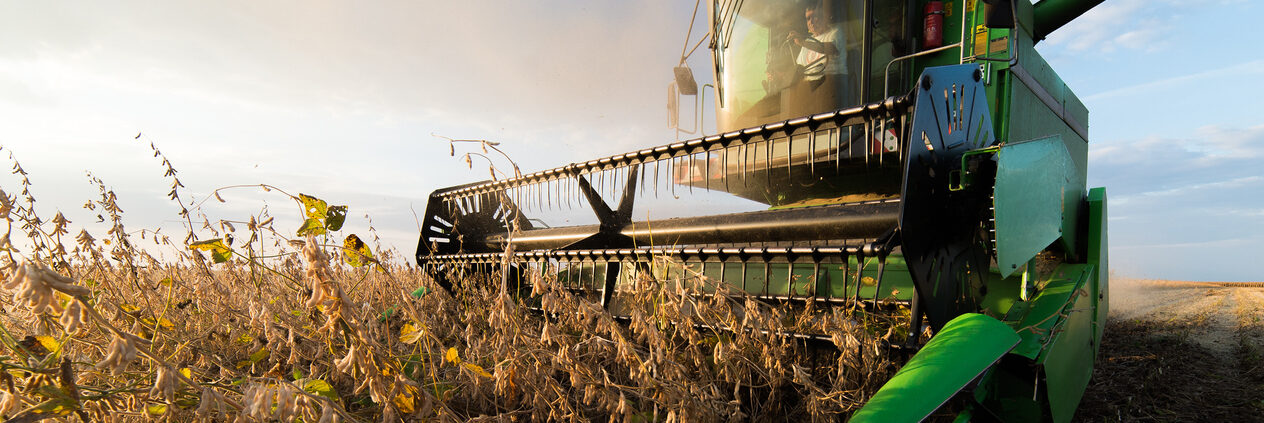
Some failures appear again and again in farm and industrial settings. Missing or removed guards and shields expose workers to moving parts; power take-off shafts can entangle clothing and limbs; and hydraulic or mechanical systems can fail without warning. Augers, balers, and conveyor systems are frequent sources of severe injury.
Rollover protection that is missing, poorly designed, or improperly installed is another recurring problem on tractors and heavy equipment. When a safety device that should have prevented an injury is absent or defective, that often becomes the heart of the claim. Emergency shutoffs and interlocks that fail to stop a machine fall into the same category, since they exist precisely to prevent the injury that occurred.
Who Can Be Held Responsible
More than one company can share liability for defective farm equipment. The manufacturer that designed or built the machine is the most common defendant, but a maker of a defective component part, a distributor, or the dealer that sold it may also be held responsible. Each company in that chain has its own duty to put a reasonably safe product onto the market.
A maintenance or rental company can be held liable as well if its work created or hid a dangerous condition. Sorting out the chain of responsibility takes investigation, and it is one of the first things an attorney works to establish. On a farm or industrial site where leased and borrowed machines are common, more than one company may have handled the equipment before it reached you.
How This Fits With a Workers’ Compensation Claim
If you were hurt on the job, workers’ compensation is usually your first source of benefits, and it typically applies regardless of fault. It does not, however, pay for pain and suffering or for the full value of lost earnings.
A product liability claim against an equipment maker is a separate, third-party case that can cover those additional categories. The two claims can move forward at the same time, and an attorney can coordinate them so a recovery from one does not unfairly reduce the other. For a serious injury, pursuing both is often how an injured worker achieves full compensation.
Preserving the Equipment Matters
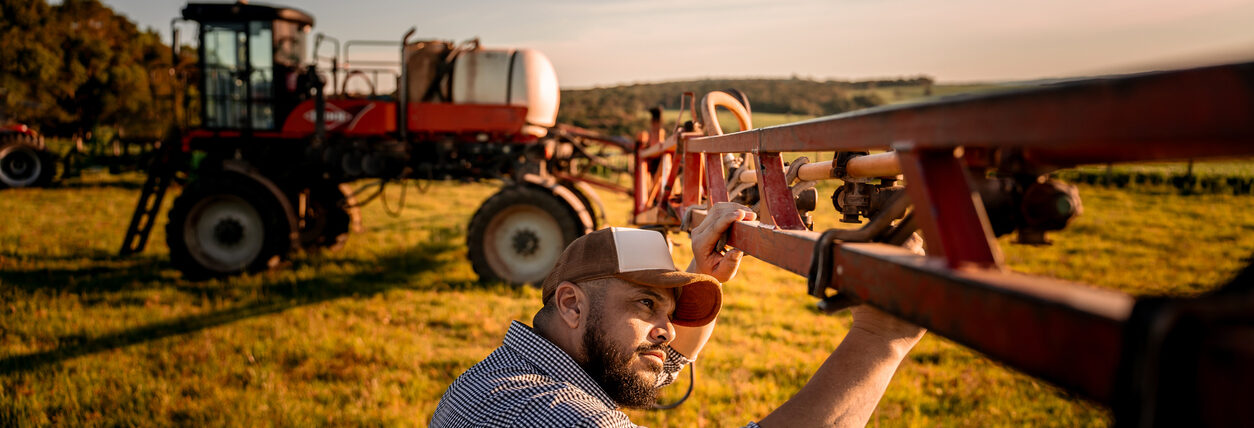
In a defective equipment case, the machine itself is usually the most important piece of evidence. Once it is repaired, returned, or scrapped, proof of the defect can be lost for good.
An attorney can send a preservation request so the equipment is kept intact for inspection by engineers and experts. Photographs, maintenance records, and the operator’s manual all help build the case as well. Acting quickly is important, because equipment is routinely repaired or returned to a leasing company within days of an accident.
Talk to a Kern County Product Liability Attorney
Chain | Cohn | Clark investigates whether defective farm equipment caused or worsened an injury. Our attorneys serve workers across Bakersfield and Kern County and can review your case at no cost. Contact us today for a free consultation.
Note: This article is for general information and is not legal advice. Consult an attorney about the specific facts of your case.

