
Tractor Rollovers: The Leading Cause of Farm Deaths
July 25, 2026 | Article by Chain | Cohn | Clark staff Social Share

A tractor rollover is the single deadliest type of accident on American farms, and Kern County’s heavy agricultural industry sees a great deal of them. When a tractor tips sideways or backward, the operator can be thrown and crushed in seconds. Understanding why these accidents happen, and what protections exist, can save a life and clarify the options available if someone is hurt.
Steps to Take After a Farm Tractor Accident
Report the injury to your employer and get medical care promptly, both to take care of your health and to thoroughly document what happened. If you can, photograph the tractor, the ground conditions, and whether the machine had a rollover bar and a working seatbelt.
Preserve the tractor if possible, since the equipment itself is often the most important evidence when it comes to determining liability. An attorney can act to keep it from being repaired or scrapped before it can be examined. It also helps to note any witnesses and write down how the rollover happened while the details are clear, including the slope, the load, and whether a seatbelt and rollover bar were in place.
Why Tractor Rollovers Are So Dangerous
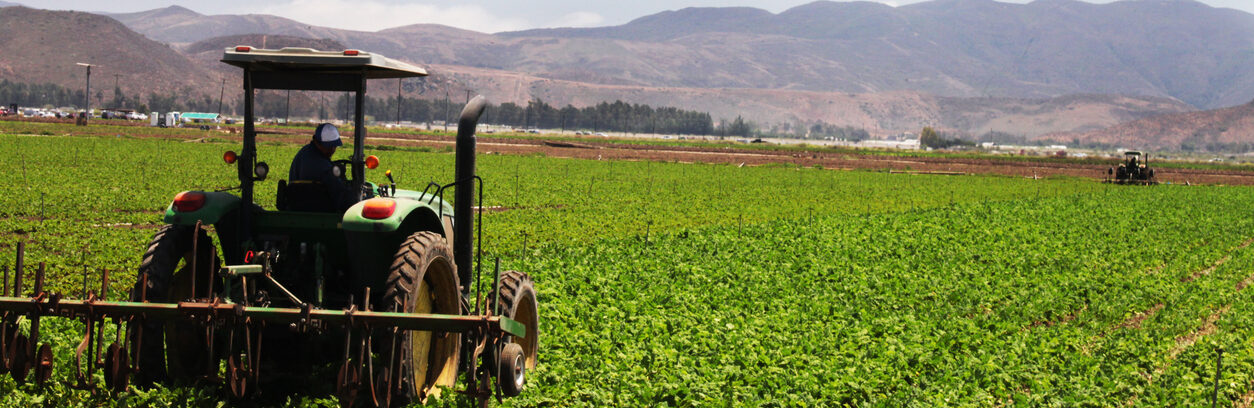
According to the National Institute for Occupational Safety and Health, tractor overturns are the leading cause of fatal injuries on farms, with roughly 130 deaths each year in the United States. The danger comes from the size and weight of the machine, which gives an operator almost no time to react once a tractor begins to tip.
Most rollovers are not caused by the protective equipment failing. They come from speed, operator error, or unsafe ground, such as slopes, ditches, soft edges, and uneven terrain. About one in ten tractor operators will overturn a machine at some point, roughly one in seven of those involved in an overturn is left permanently disabled. Significantly, most rollover deaths involve experienced operators rather than beginners. Familiarity with the equipment does not remove the danger.

Workers’ Comp for Tractor Rollover vs. a Third-Party Claim
For a farm worker hurt in a tractor rollover, workers’ compensation is usually the first source of benefits. It covers medical care and a portion of lost wages regardless of who was at fault, which matters in an industry where many injuries happen without anyone to blame. Agricultural workers in California are generally covered even if they are seasonal employees or were hired through a contractor.
Workers’ compensation has limits, though. It does not pay for pain and suffering, and it generally bars a worker from suing an employer directly. In cases where another party shares responsibility, a separate claim may be available.
How Rollover Protection Works
The most effective protection is a rollover protective structure, often called ROPS. A ROPS is a roll bar or cage built around the operator’s seat, and when it is used with a seatbelt, it is about 99% effective at preventing death or serious injury in a rollover.
The seatbelt is essential. The ROPS creates a protected zone, but without a belt, an operator can be thrown out of that zone and crushed by the tractor or the bar itself. ROPS became standard equipment on tractors built in the United States in 1986, yet many older tractors still in use were never retrofitted. In farm country, where a dependable older machine may stay in service for decades without the protection newer tractors include as standard, this is not uncommon.
Preventing Tractor Rollovers
Beyond keeping a ROPS and seatbelt in use, safe operation lowers the rollover risk. Driving slowly on slopes and turns, keeping loads low and centered, staying away from ditches and soft edges, and avoiding overloaded or improperly hitched attachments all help keep a tractor stable.
For older tractors without rollover protection, retrofitting a ROPS is the most effective step an operation can take. When a tractor cannot be fitted with one, safety experts recommend retiring it from service rather than risking an operator’s life.
When Someone Other Than the Employer Is Responsible
In some tractor rollover injuries, a third party can be held liable. If a tractor was sold without required rollover protection, or a ROPS was defectively designed or built, the manufacturer or seller may bear responsibility under product liability law. A poorly maintained machine can implicate a repair or rental company.
Agricultural work also often involves farm labor contractors and multiple businesses on one operation. Whether one of them is a responsible third party, and how that interacts with workers’ compensation, is a circumstance-specific question best reviewed by an attorney. Because the evidence, including the tractor itself and its maintenance history, can disappear once an operation moves on from the accident, finding legal help quickly can make a material difference in the outcome of a case.
Talk to a Kern County Farm Accident Attorney
Chain | Cohn | Clark has represented injured agricultural workers across Kern County for decades. If you or a loved one was hurt in a tractor rollover, our attorneys can review every source of compensation at no cost. Contact us today for a free consultation.
Note: This article is for general information and is not legal advice. Consult an attorney about the specific facts of your case.


